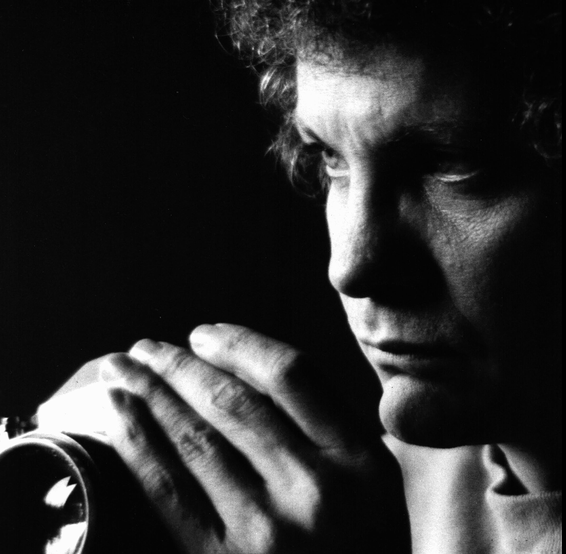
The martial arts film community is in mourning following the passing of legendary cinematographer, director, and B-movie maestro David Worth, who died on September 7, 2026, at the age of 86. Worth leaves behind an indelible blueprint on the action genre, having served as the visual architect for Bloodsport (1988) and the director behind the global phenomenon Kickboxer (1989)
Leading the tributes was action icon Jean-Claude Van Damme, whose early career was profoundly shaped by Worth’s eye for combat choreography and cinematic style. “From Bloodsport to Kickboxer, David’s talent and vision helped create two martial arts classics that changed my life,” Van Damme shared in an emotional statement. “Thank you for your friendship and for the magic we made together. Rest in peace, my friend. You will always be part of my journey.”
David Worth didn’t just capture fights; he helped craft the aesthetic that defined late-80s and early-90s action cinema. His break into the upper echelons of martial arts lore came when he served as the Director of Photography on Bloodsport. His framing of the underground “Kumite” and stars like Van Damme and Bolo Yeung turned a low-budget feature into an international cult classic.
Recognizing his sharp instincts, production quickly tapped him to step into the director’s chair for Kickboxer (1989). Filmed on location in Thailand, Worth brilliantly juxtaposed the serene, rich cultural backdrops of ancient temples with the raw, brutal intensity of underground Muay Thai arenas. He was instrumental in managing the camera placements around Van Damme’s custom-choreographed fight sequences, helping to birth the iconic, slow-motion spinning kicks and grueling training montages that generations of martial artists still replicate today. Kickboxer is widely credited as the landmark film that popularized Muay Thai globally.
Beyond his legendary collaborations with JCVD, Worth was a relentless, passionate filmmaker who was deeply respected by actors and indie crews alike, Co-stars and crew members, including Kickboxer villain Michel Qissi (Tong Po), shared their pride in having worked with him. Up-and-coming filmmakers frequently remembered Worth as a deeply encouraging mentor who maintained an infectious, relentless passion for the craft even late into his career. Genre staple Cynthia Rothrockmourned the loss of her long-time friend, who directed her in the beloved action vehicles Lady Dragon (1992) and Lady Dragon 2 (1993).
Worth was incredibly versatile, handling cinematography for mainstream features like Clint Eastwood’s Bronco Billy (1980) and Any Which Way You Can (1980), while later directing cult camp pieces like Shark Attack 2 (2000) and Shark Attack 3: Megalodon
(2002).
David Worth didn’t need massive Hollywood budgets to create cinematic magic. Armed with an innate understanding of lighting, timing, and raw human movement, he gave audiences timeless spectacles of honor, resilience, and triumph. While the maestro behind the lens is gone, his frame-by-frame contributions to action cinema will live on forever.