CRUEL TALE OF BUSHIDO – Eureka Blu-Ray Review: Tadashi Imai On How To Save A Life
TW: This review briefly discusses scenes of rape and torture.
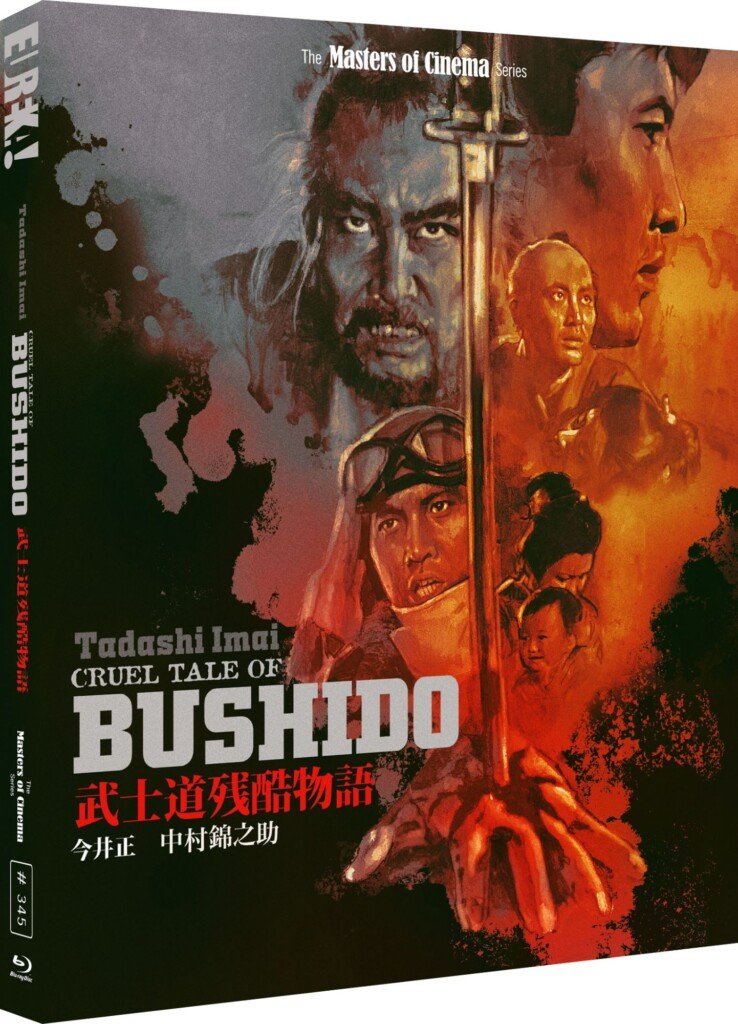
Tadashi Imai’s Golden Bear-winning 1963 period drama, Cruel Tale Of Bushido, is now available on Blu-Ray from Eureka Entertainment through its Masters Of Cinema Series. Penned by Norio Nanjo, Naoyuki Suzuki, and Yoshikata Yoda, the film stars Kinnosuke Nakamura who leads a cast roster whose characters comprise several roles which he himself portrays on screen.
Said roles are depicted as ancestral iterations of a man named Susumu, a man who whose fiancé nearly commits suicide, compelling him to take an introspective look back into his own history dating back to the Tokugawa shogunate. Nakamura is front and center of all these characters as the film chronicles seven recorded generations of our protagonist’s family, several of which are given major focus throughout the film’s runtime.
The film illustrates our mains as either samurai or servants, all instances of which are thematically written to depict Imai’s reflection of ultra conservative traditions and adherences loyalty, and more often than not what that fealty costs. Each of Nakamura’s generational iterations of Susumu’s character – whether heteronormative or effeminate or queer – are portrayed with their own levels of career trajectory, and matched with an equally afflicting circumstance that often brings trauma and tragedy with foreshadowing allure.
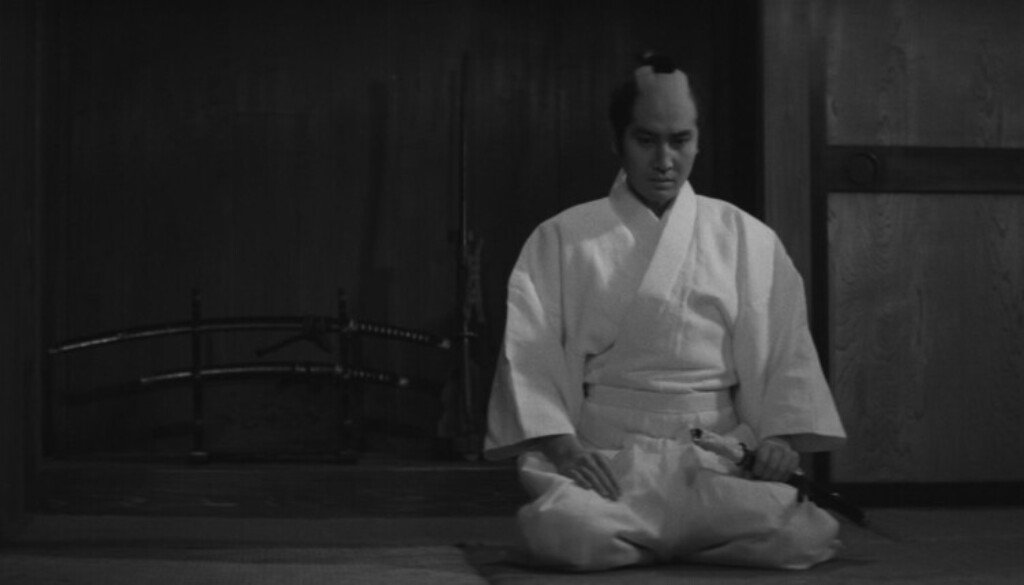
Nakamura’s earliest reflection is on a loyal samurai named Jirozaemon Iikura who commits seppuku as retribution for failing his lord during the battle of Sekigahara, as does his son, Sajiemon, years later for failing his lord. His son, Kyutaro, grows up to become a fine student only to suffer at the hands of his lordship after being raped and forced to become his lover, and then castrated for falling in love with the lady of the house. Years after his death, his son, Shuzo, grows up to become one of his clan’s finest swordsmen, only to suffer his own gruesome fate when he rebels against his lord.
The story, and subsequently the incumbent pattern of violence, continues with Shingo, whose indoctrination at a young age sees him staring down the barrel of his own guilt when his fiancée is raped by an old warlord he had been caring for. The film starts winding down with a brisk entry for his son, Osamu, who becomes a Japanese naval pilot in World War II, before finally catching up to the film’s foremost character – Osamu’s brother, Susumu – whose story is set against the backdrop of Japan’s corporate modernization, and what led up to the first moments we see in the film.

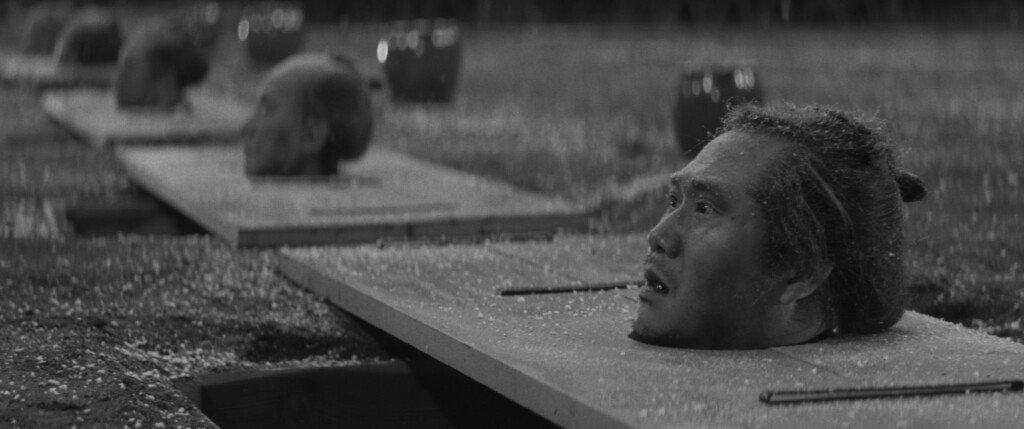
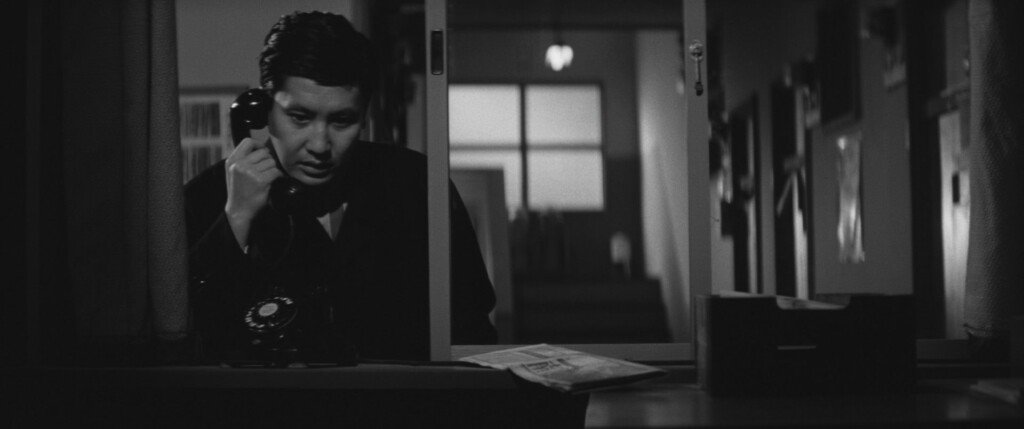
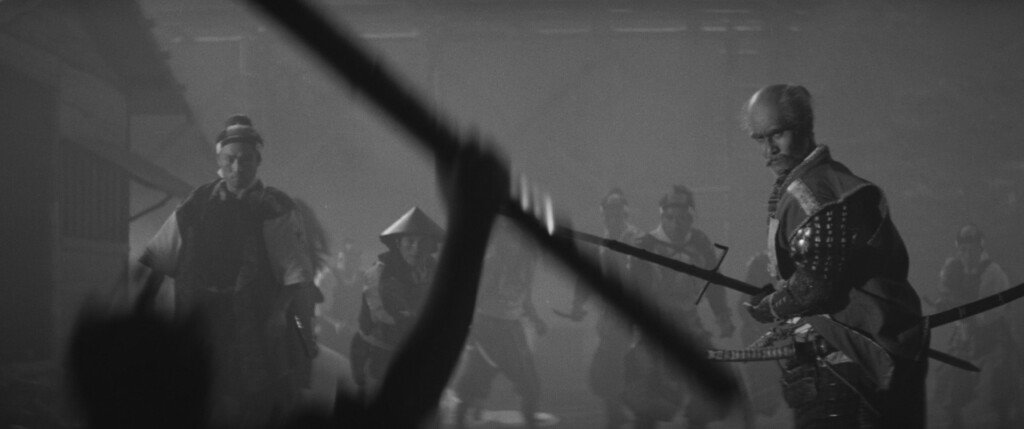

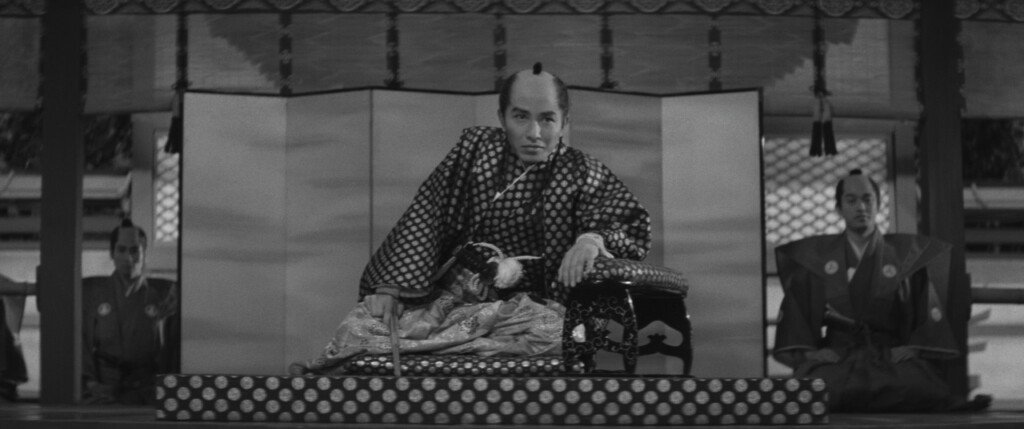

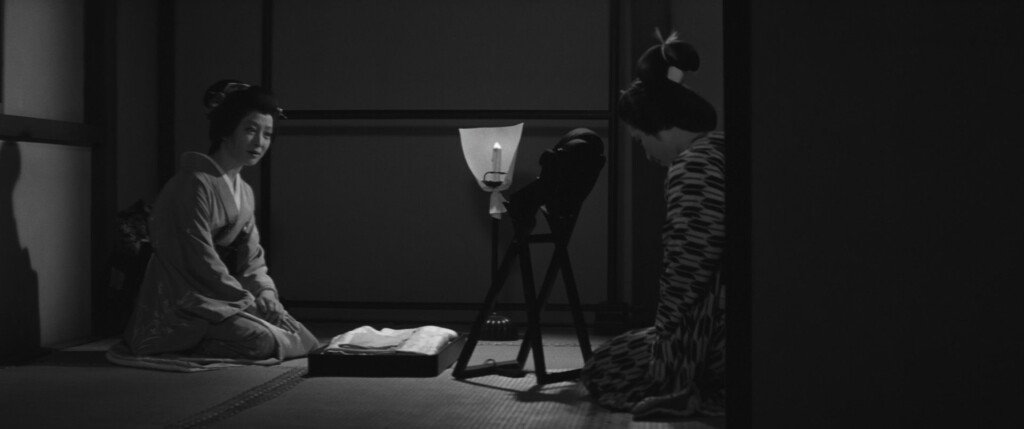
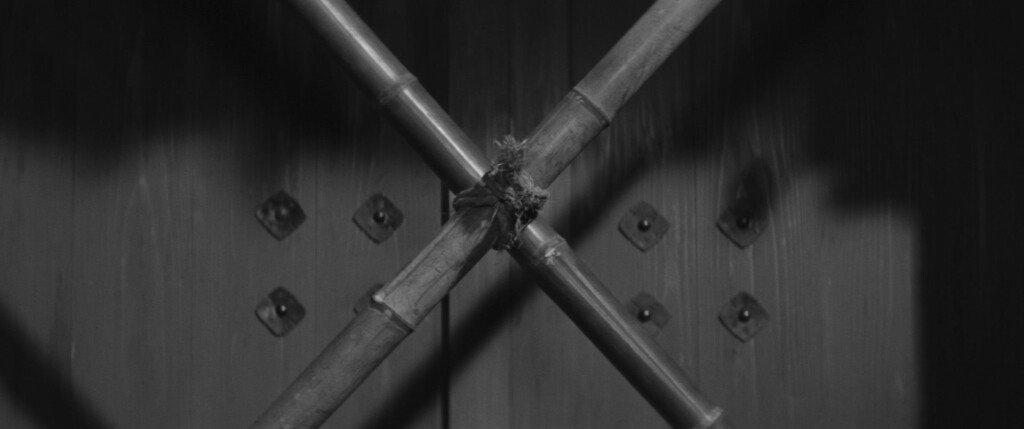
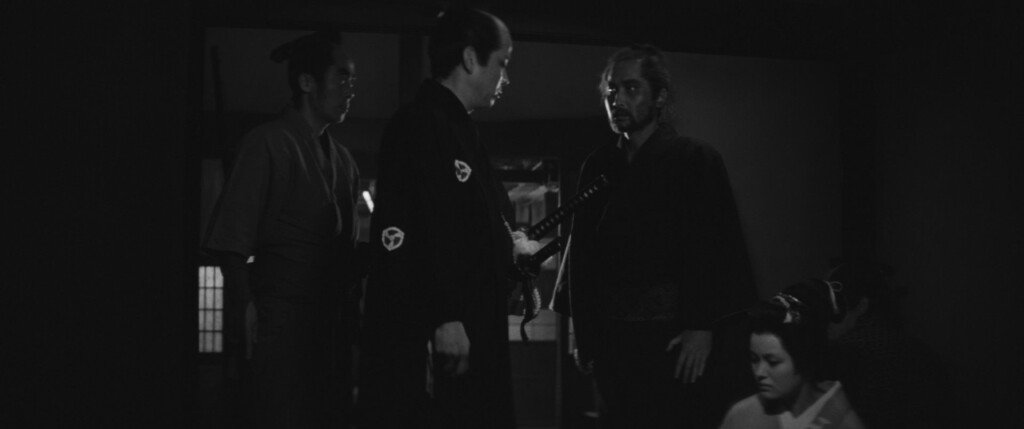

Perhaps the biggest and most important scene occurs during Shingo’s episode where he asks her to do the unthinkable, to which, amid her breathless shock and sadness, utters “Shingo, what kind of man are you?”. It’s literally the most powerful line in Cruel Tale Of Bushido and speaks to the very core of Imai’s cinematic critique on the kind of cyclic violence that stems from feudal traditions and culture.
There’s a world of beauty to that very culture too, but Imai makes damn sure to keep it as real and human as he sees fit in Cruel Tale Of Bushido. Scribes Nanjo, Suzuki and Yoda craft a palatable, brutal and poetic tale in this film that Imai chisels away at with Nakamura’s performance, seen at various ages in contribution to the film’s veracity as an historical telling with nuance and heart.
There’s a little more to Eureka’s release thanks to Tony Rayns who, at 21 minutes, talks up Imai’s career and the film in an interview for the disc, as well as “Seven Kinds Of Samurai,” Jonathan Clements’ video essay at 16 minutes deliniating the film’s storyline and characters, as well as its similar impact to other movies from around the world in exploring cruelty as a theme. The disc rounds out all features with a classic trailer.
The release also includes “Salarymen Samurai and the Myth of Bushido,” a twenty page picture/text essay by Hayley Scanlon who, in part, ventures into how the word “bushido” basically contributed to a big lie through the writings of author Inazo Nitobe. If you’ve ever heard the word as many times as I have all these years, then consider this pamphlet a much-needed an education on the many ways in which Japanese culture and history were sensationalized through commecial greed and Western theocracy to sell us mere “brand” that would have only made us dumber were it not for directors like Imai, holding a candle to history in the only way he could. It’s pretty damning.
I have to admit, Clements kind of saw me coming, and perhaps Imai for that matter. I saw the artwork and immediately thought this would be a chanbara, but it turned out to be way more than that. It’s a film that I believe most people can relate to as an exploration into the human psyche and our longevity in the world following our collectively violent history as a species, even to this day as acts of genocide and other war crimes are being committed in the Middle East. All in all, Imai’s Cruel Tale Of Bushido, if nothing else, holds a mirror up to us and dares us to do better, as it does Susumu in his final scene with the beautiful Kyoko.
Find Cruel Tale Of Bushido at MVDshop.com.

Native New Yorker. Been writing for a long time now, and I enjoy what I do. Be nice to me!